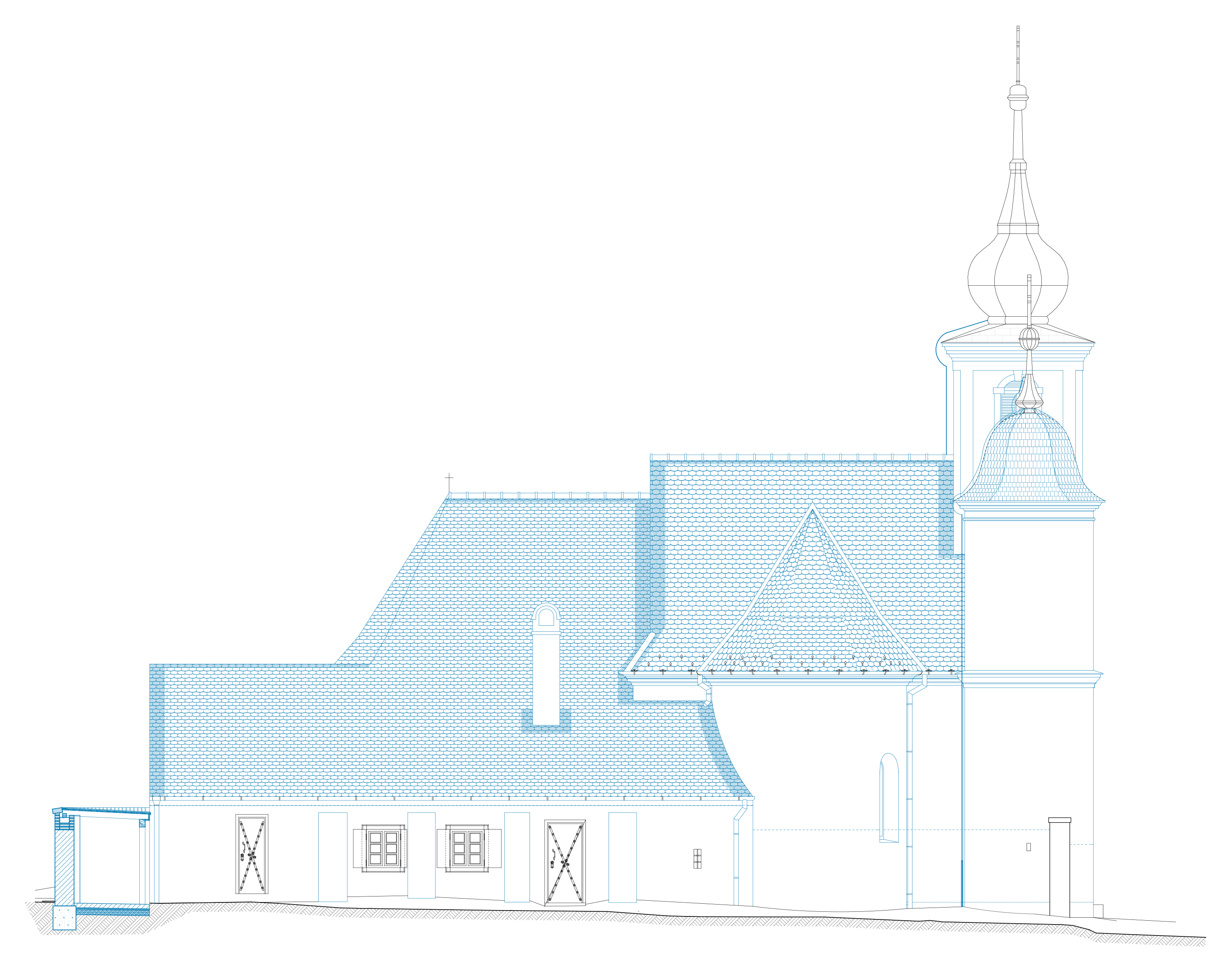
Calvary Chapel
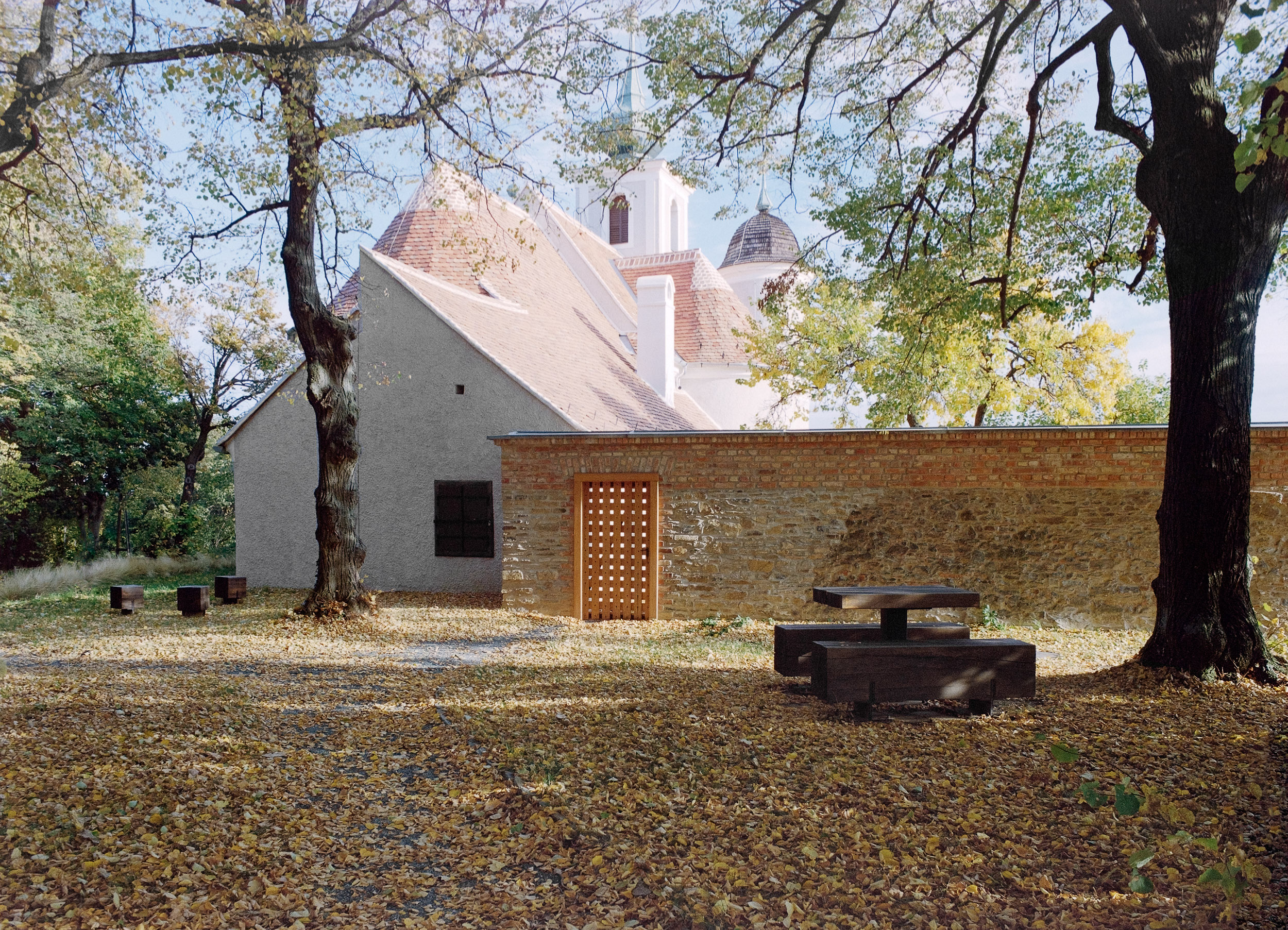
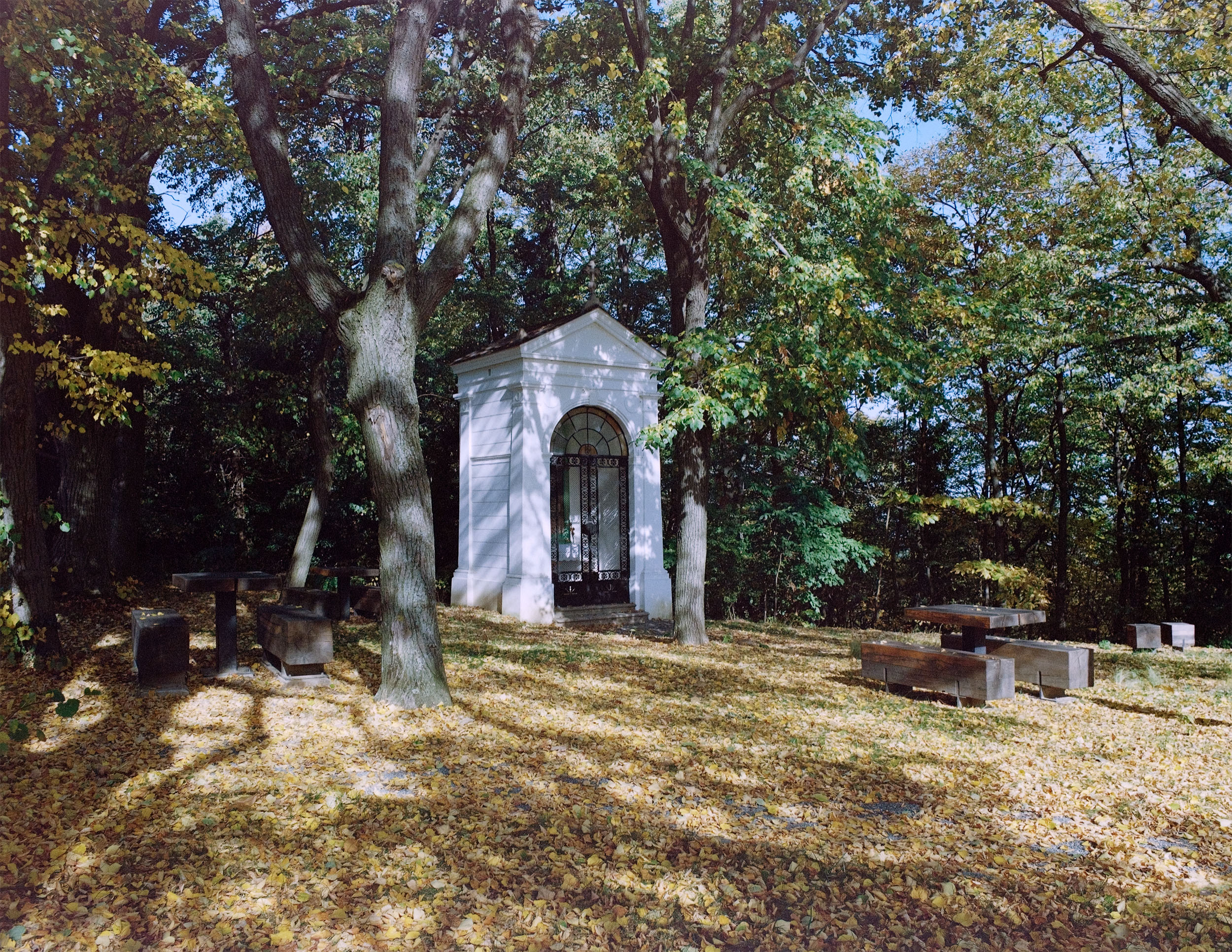
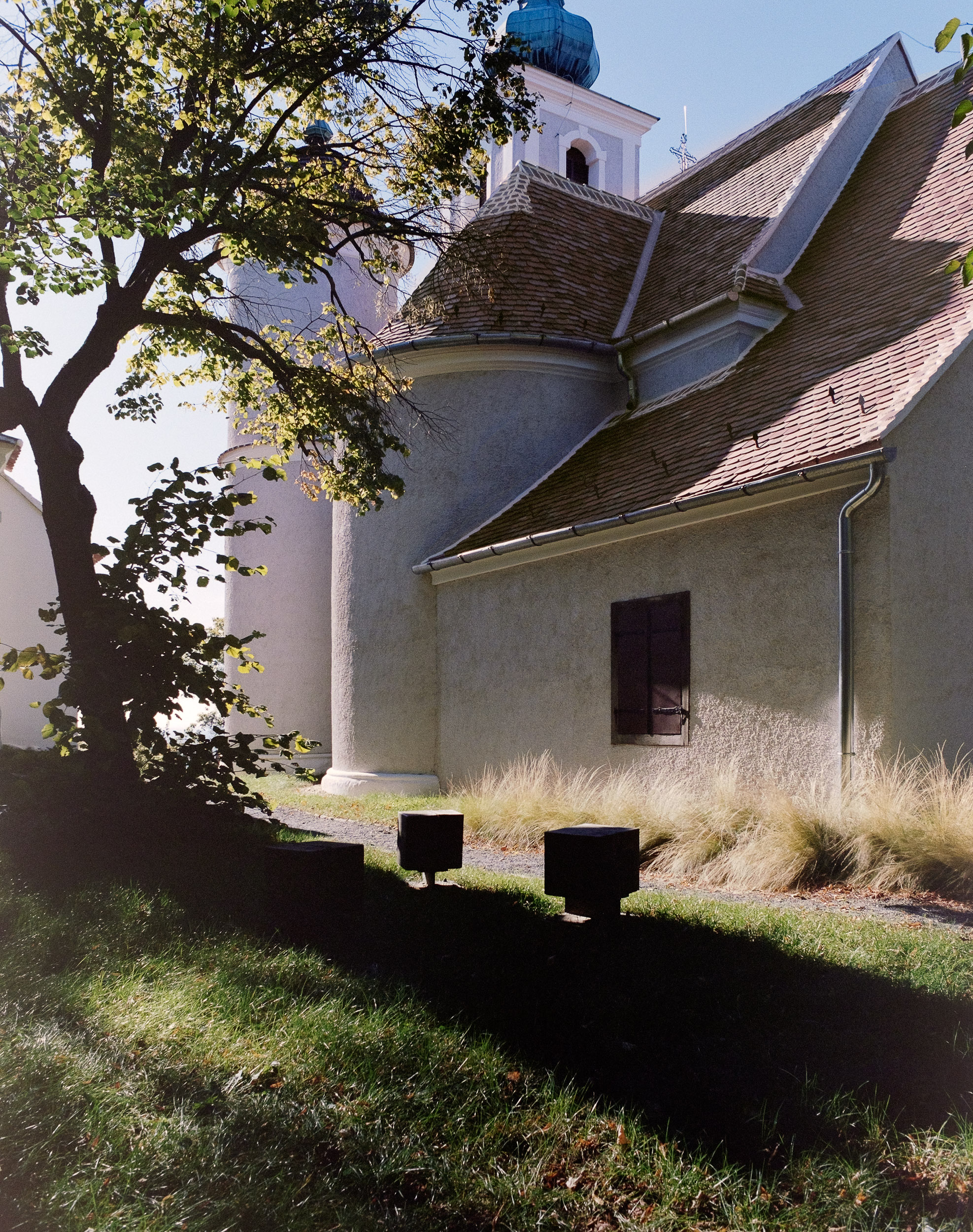
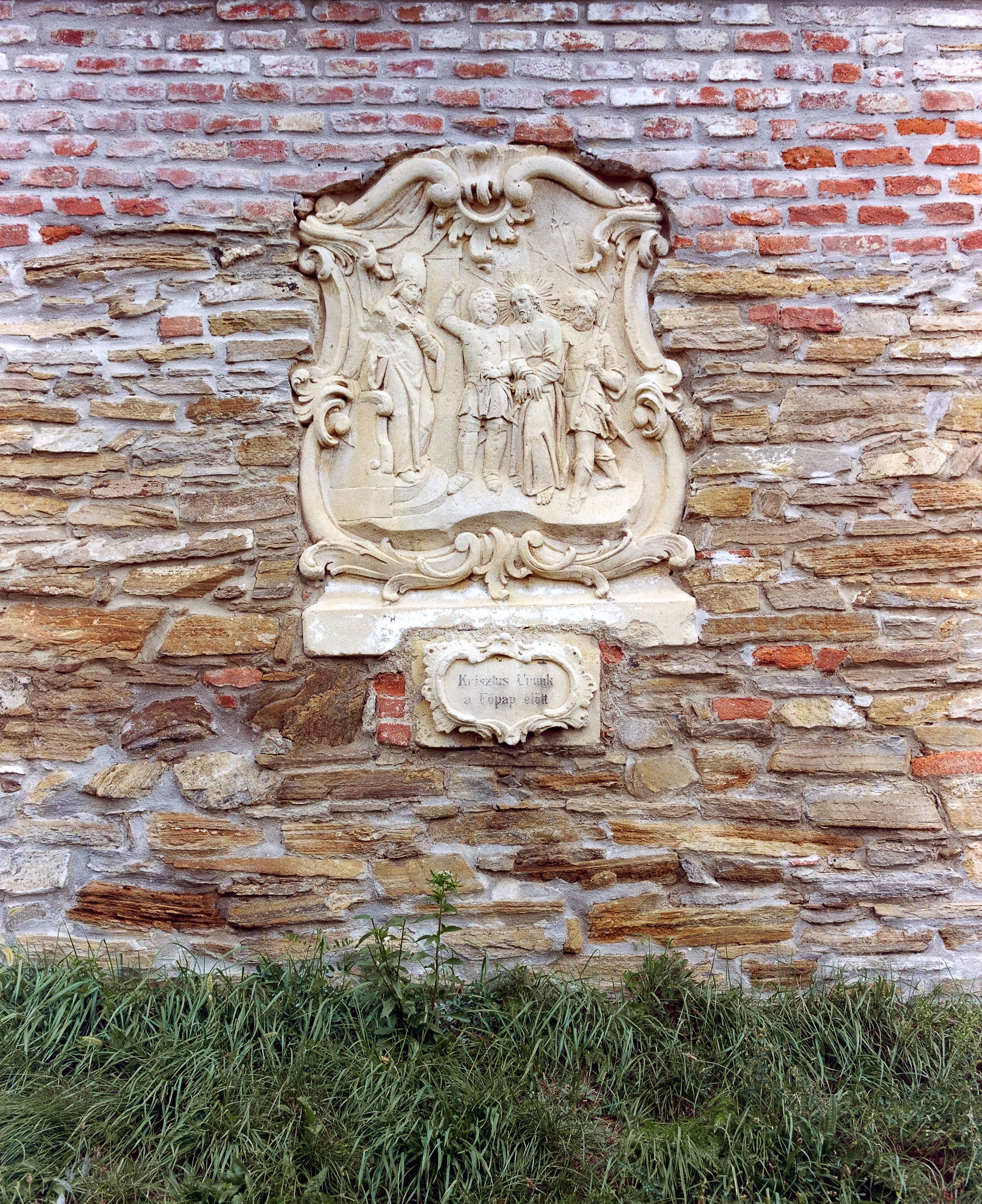
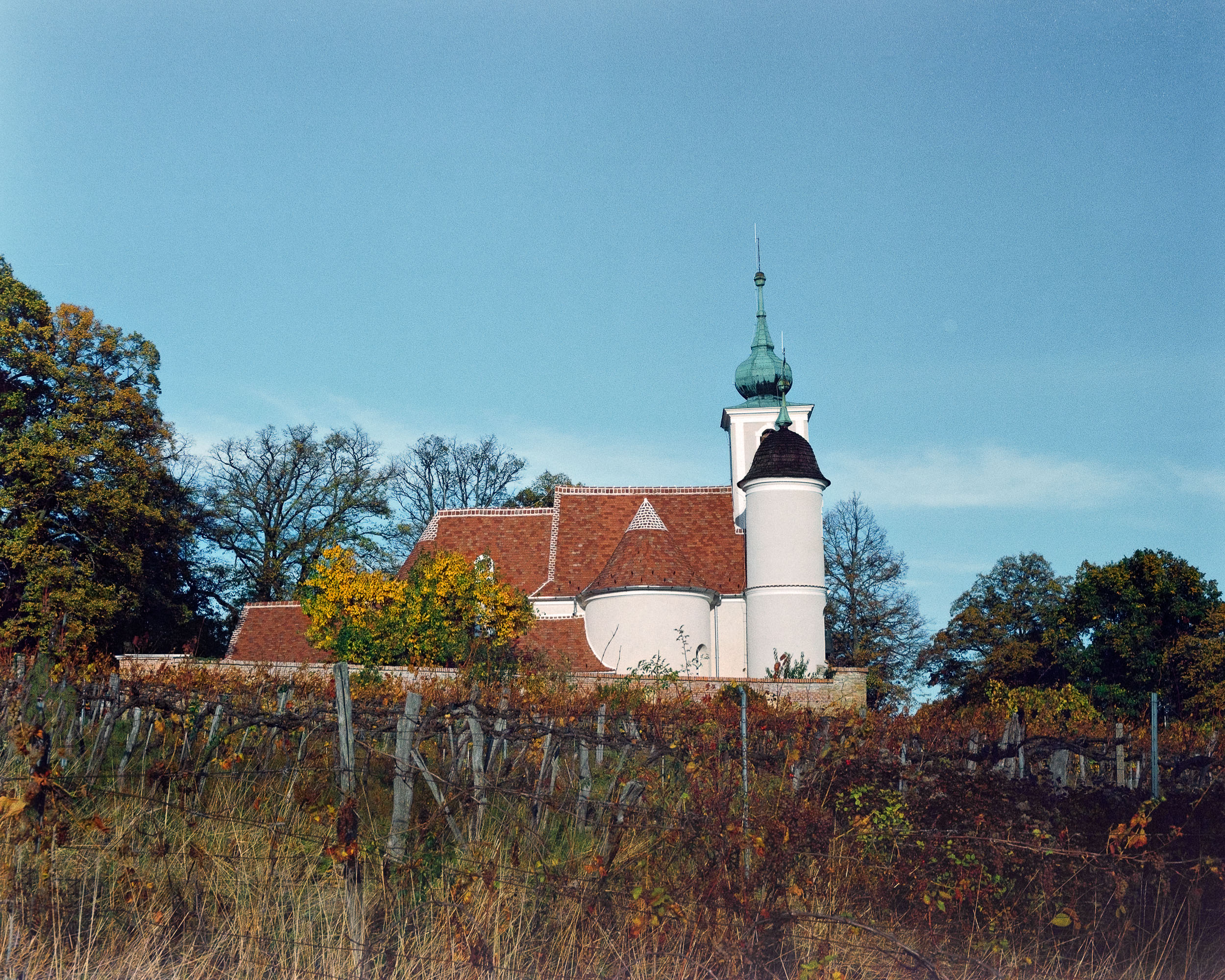
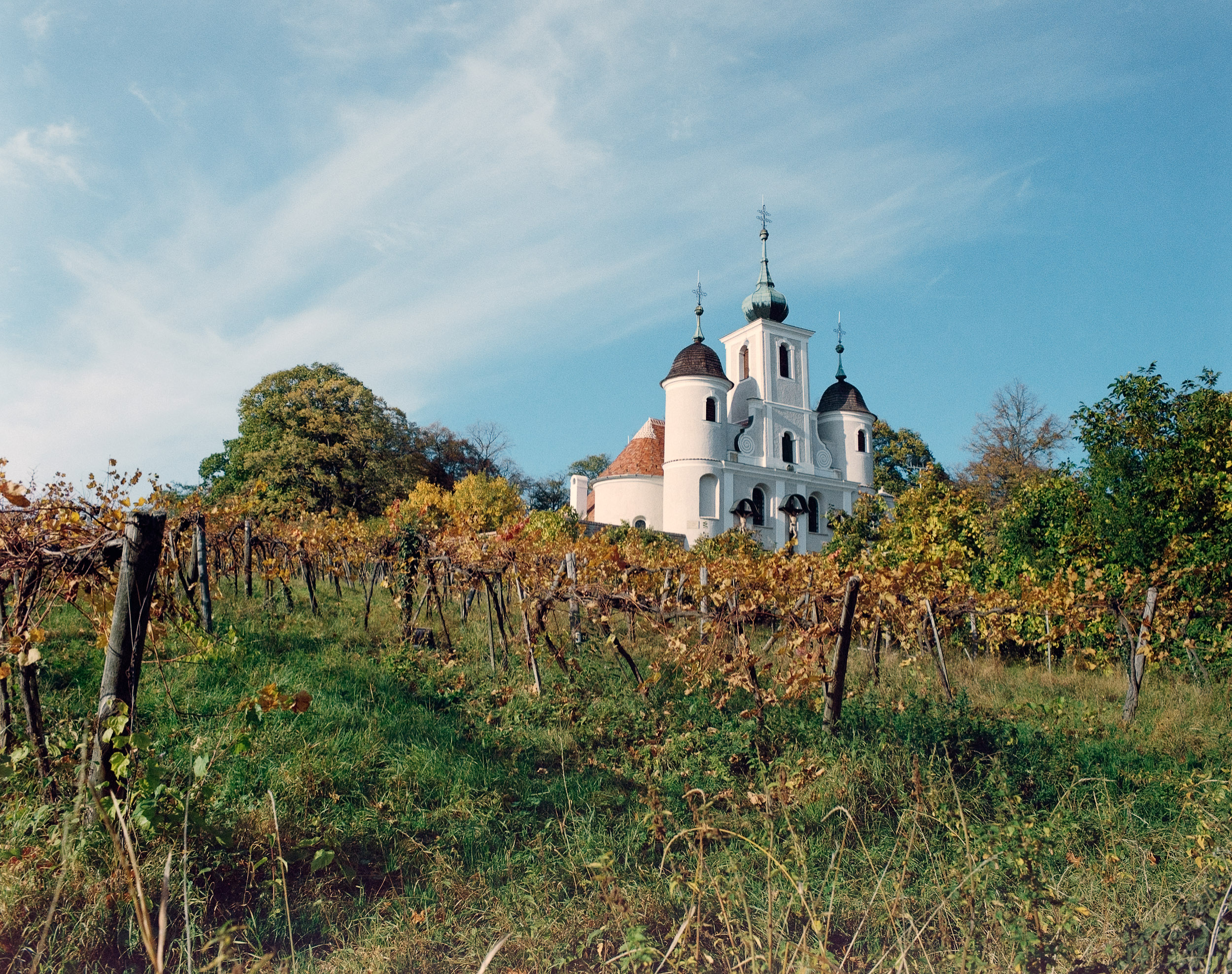
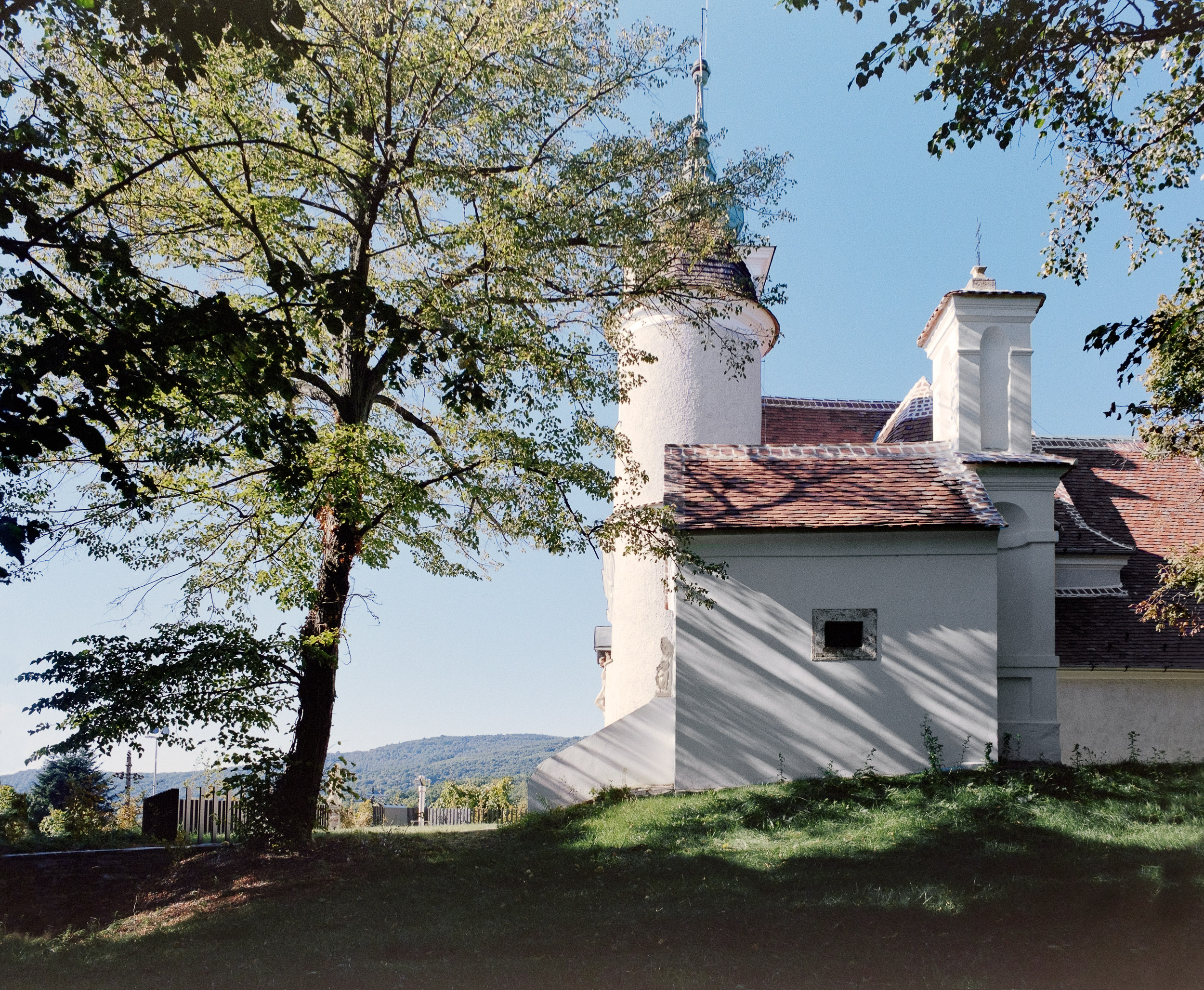
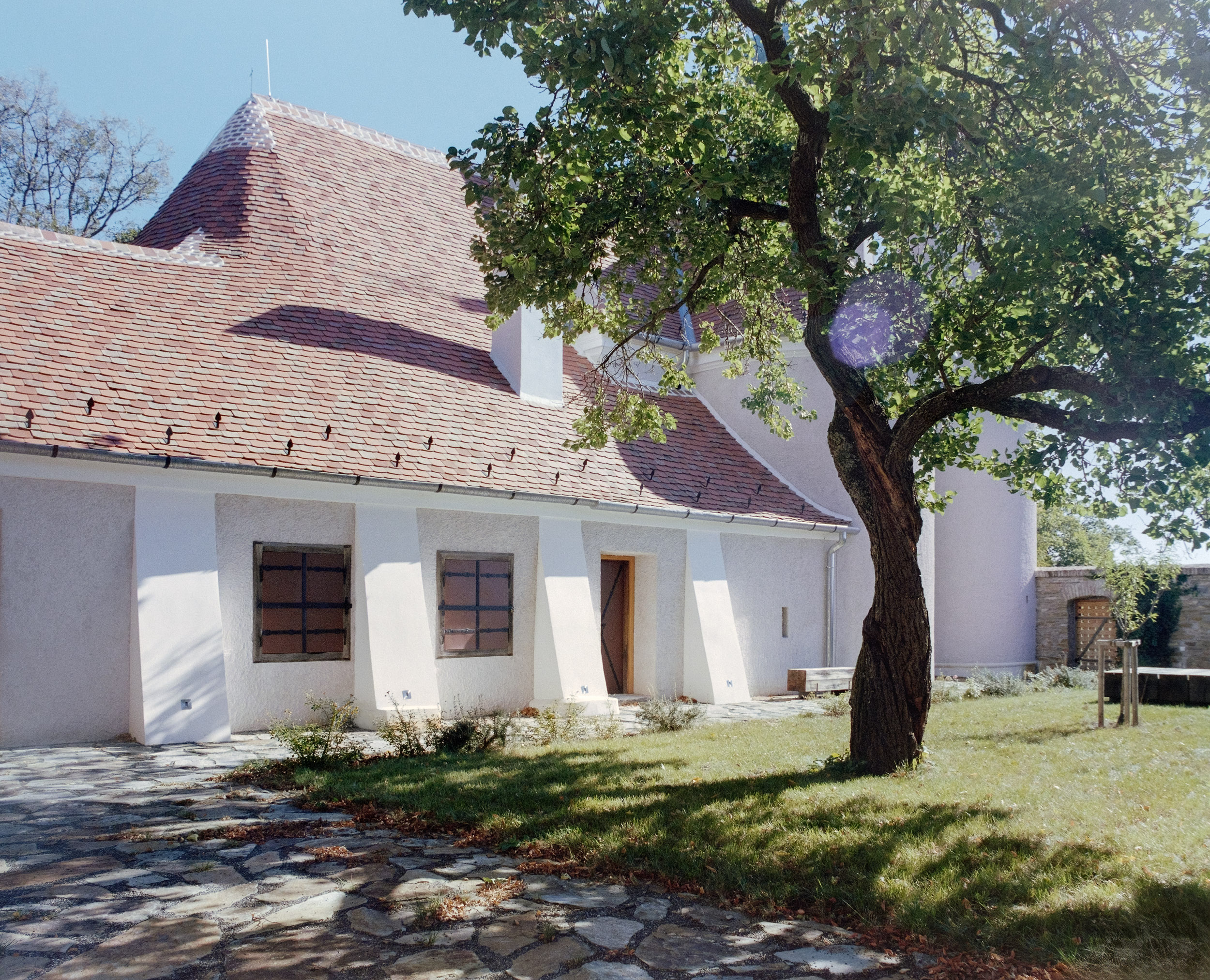
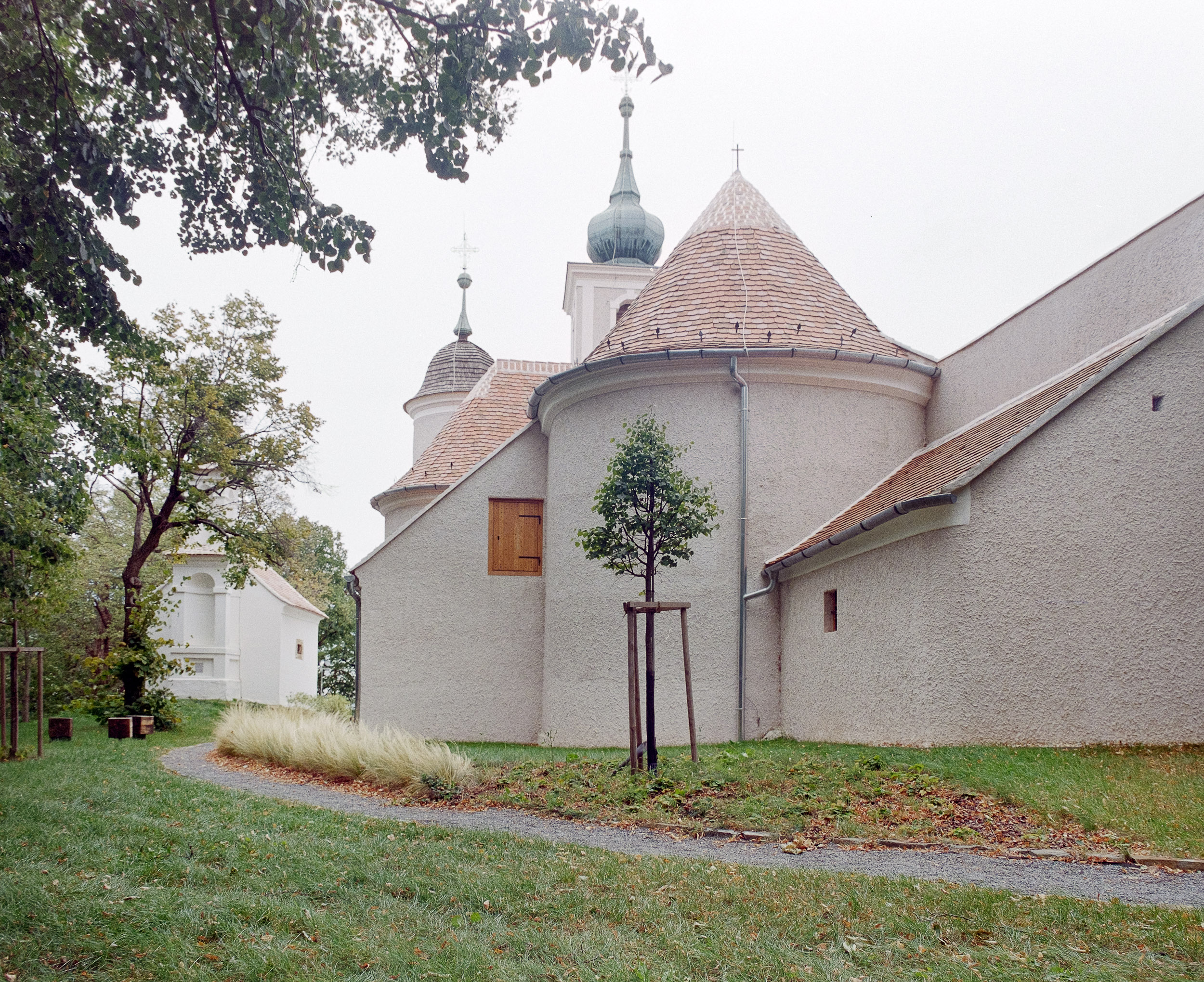
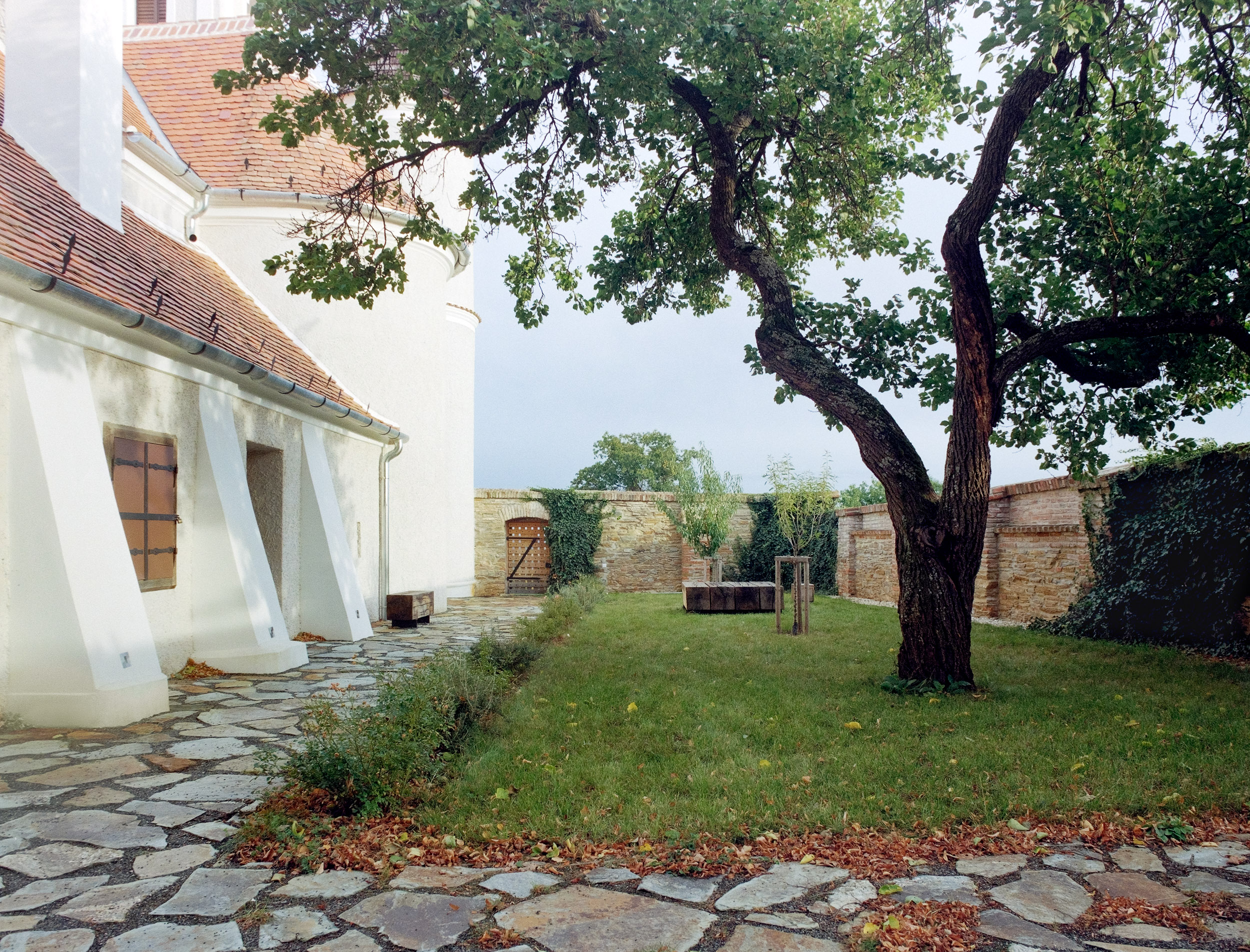
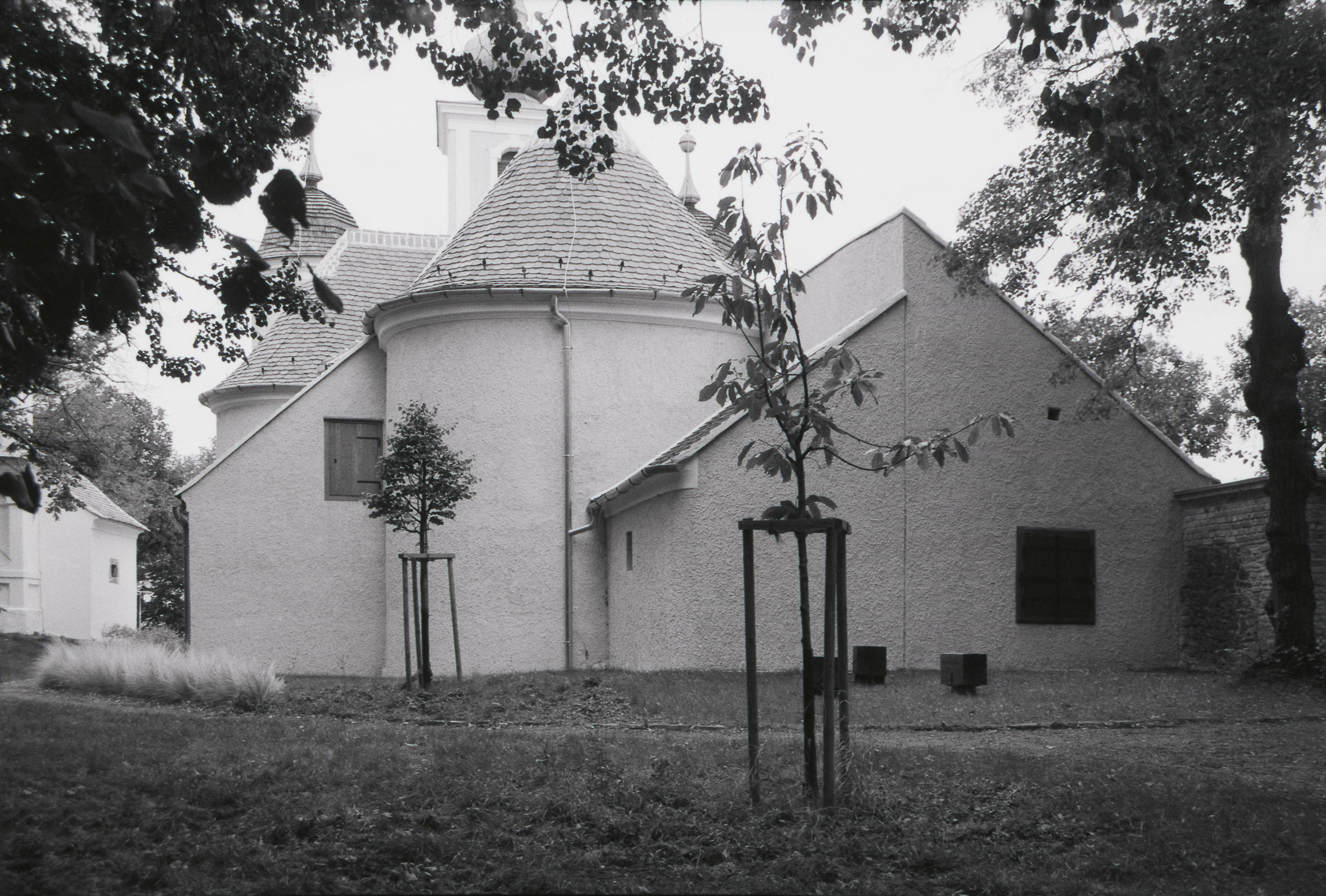
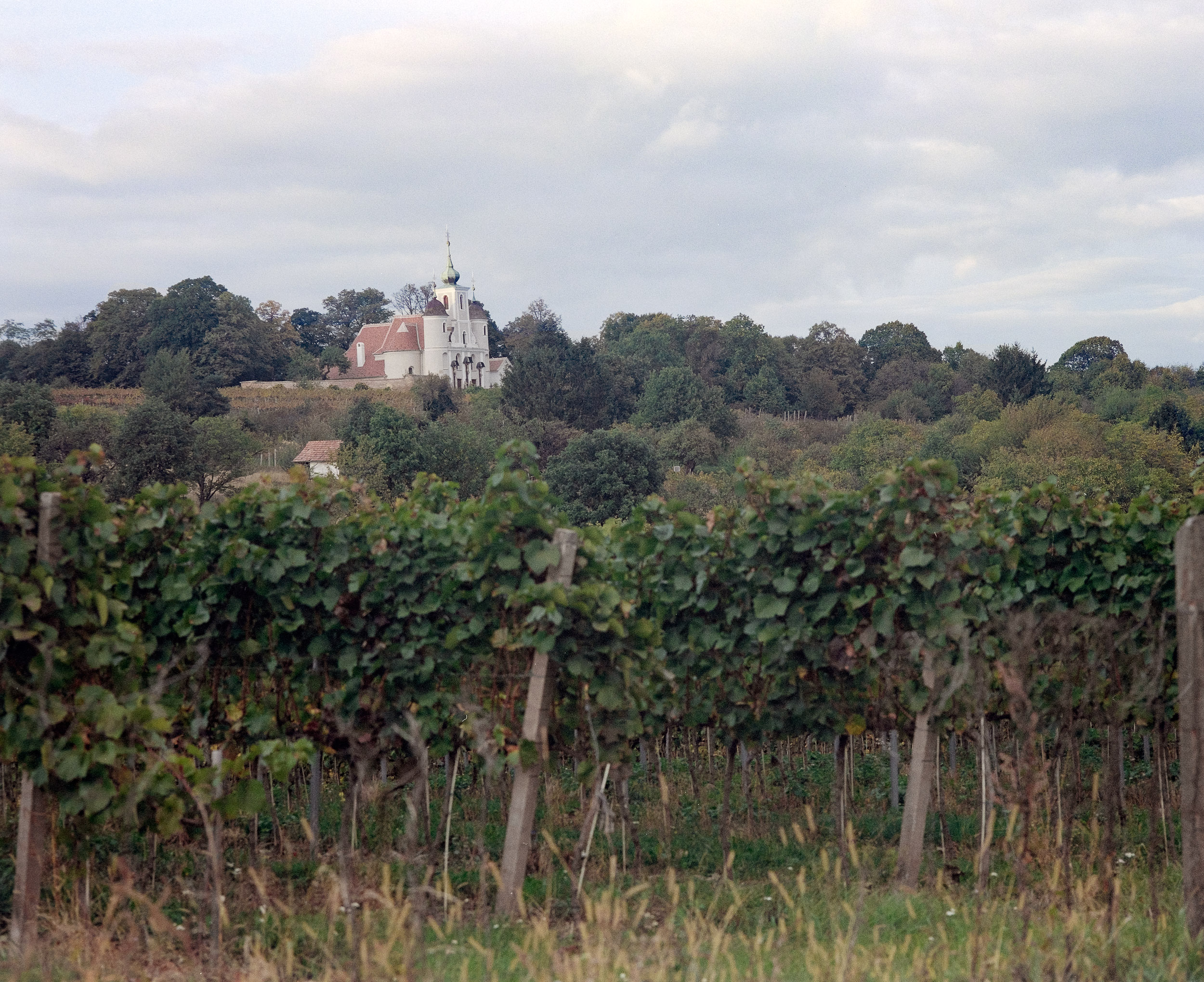
The Calvary Church is a historic monument built between 1729 and 1741, accessed by a steep road lined with fourteen stations of the cross. Its construction was initiated by Jesuit Father Pál Rennich. The complex also includes the Chapel of Our Lady of Sorrows and the Chapel of St. Donatus. After the church was founded, it was inhabited by a hermit, whose grave can be found in the stone wall in the vestibule. For this reason, a small hermitage was also built in the building, with a smoky kitchen and two rooms, as well as an inner courtyard enclosed by a stone wall.
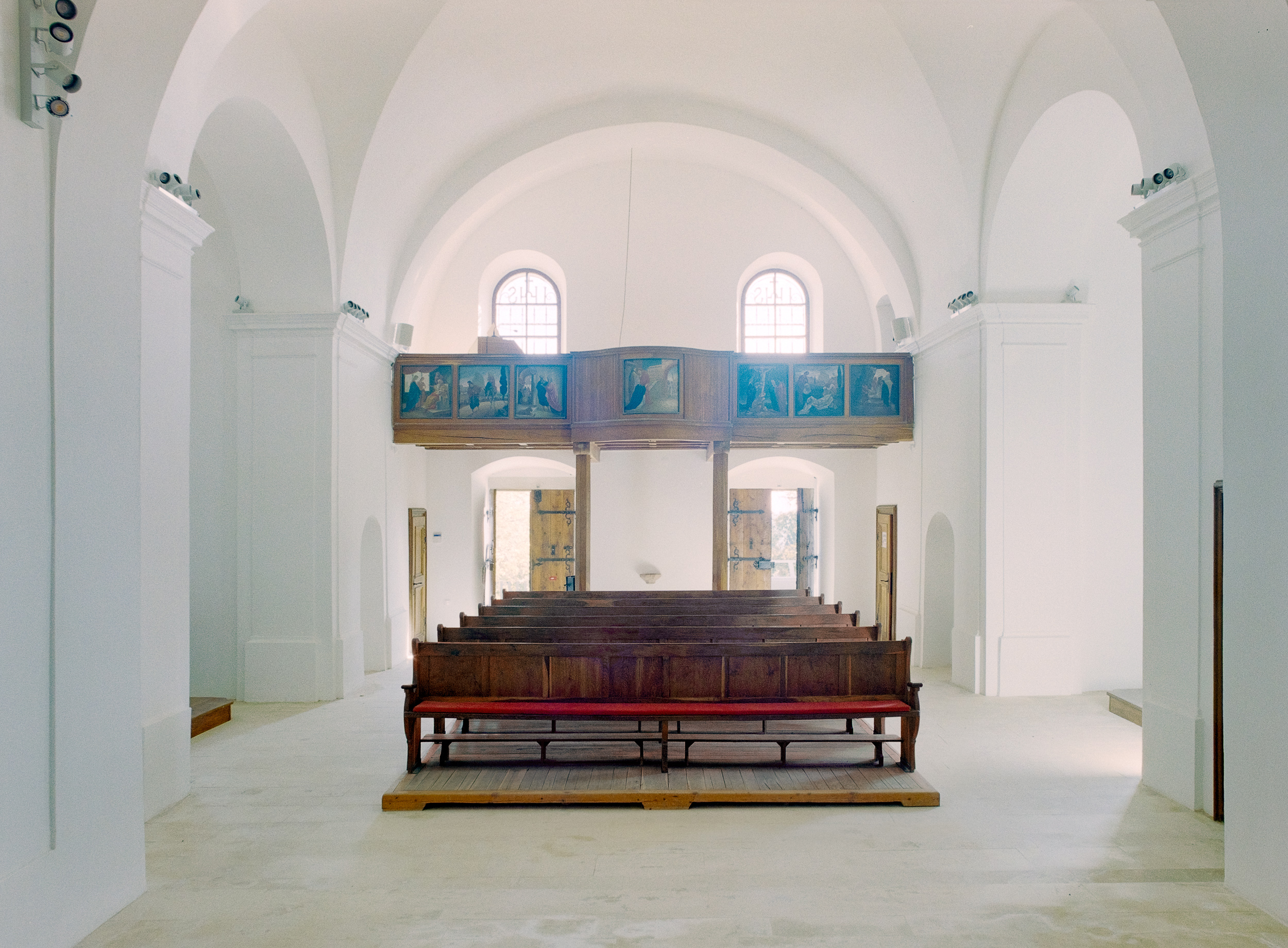
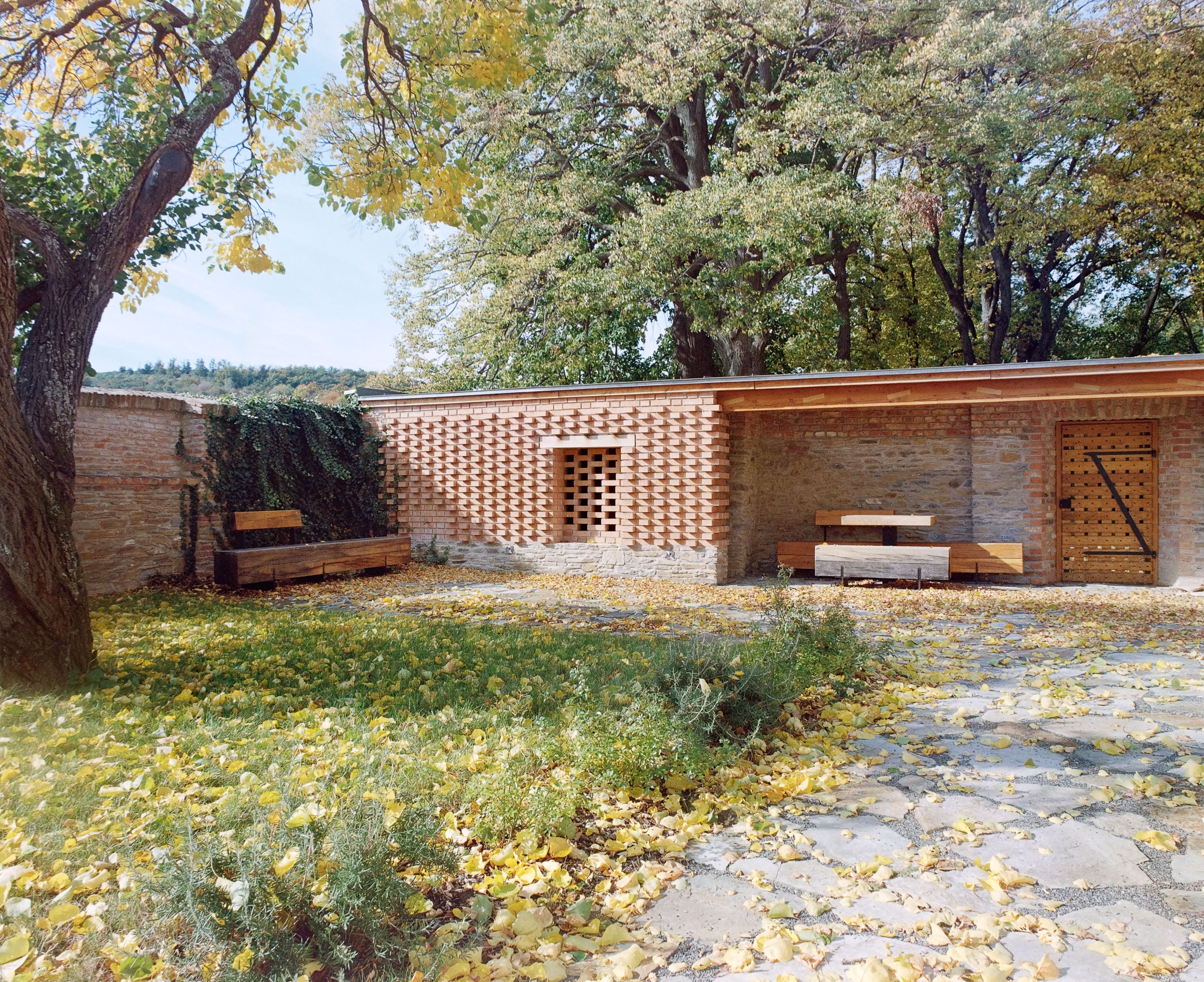
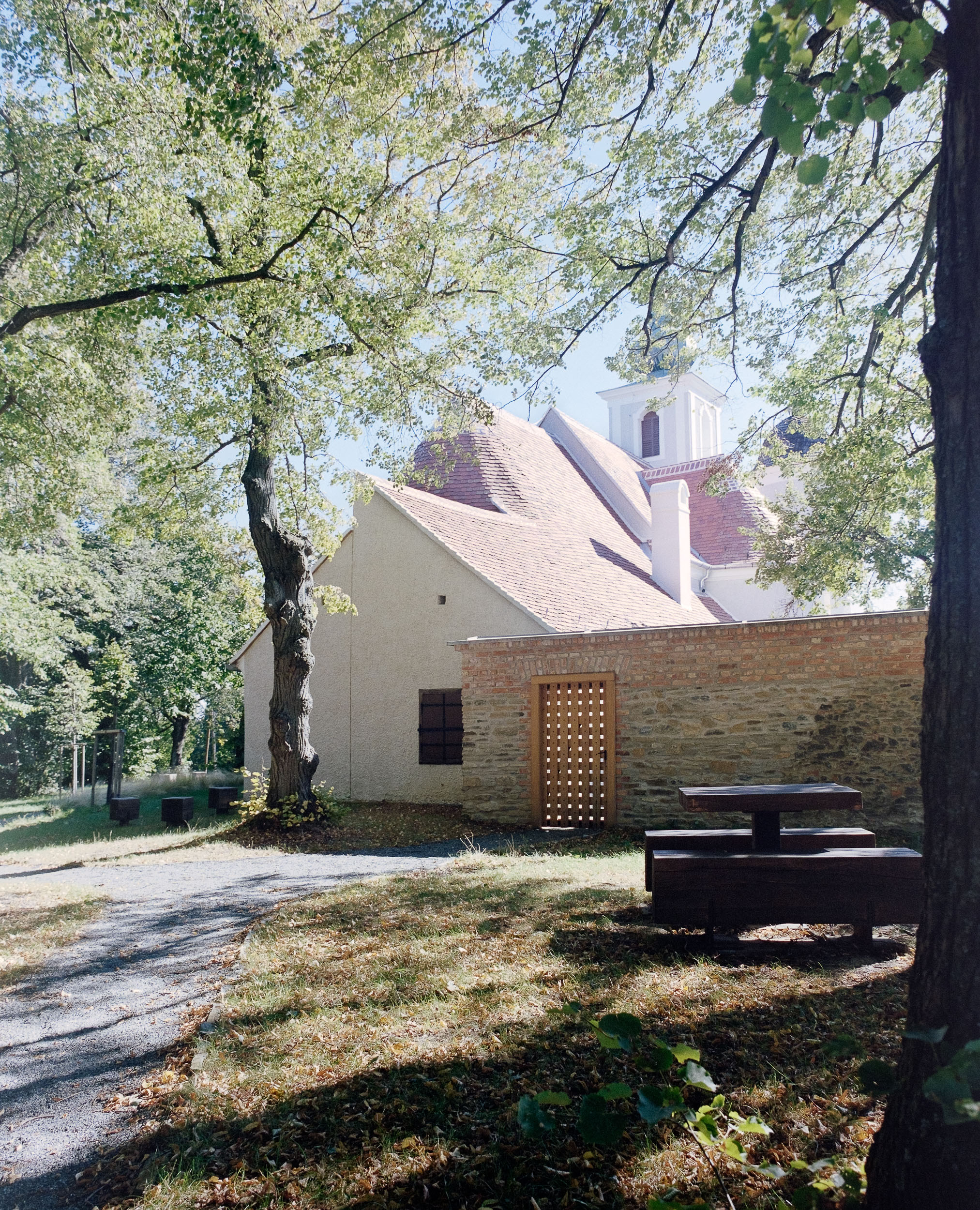
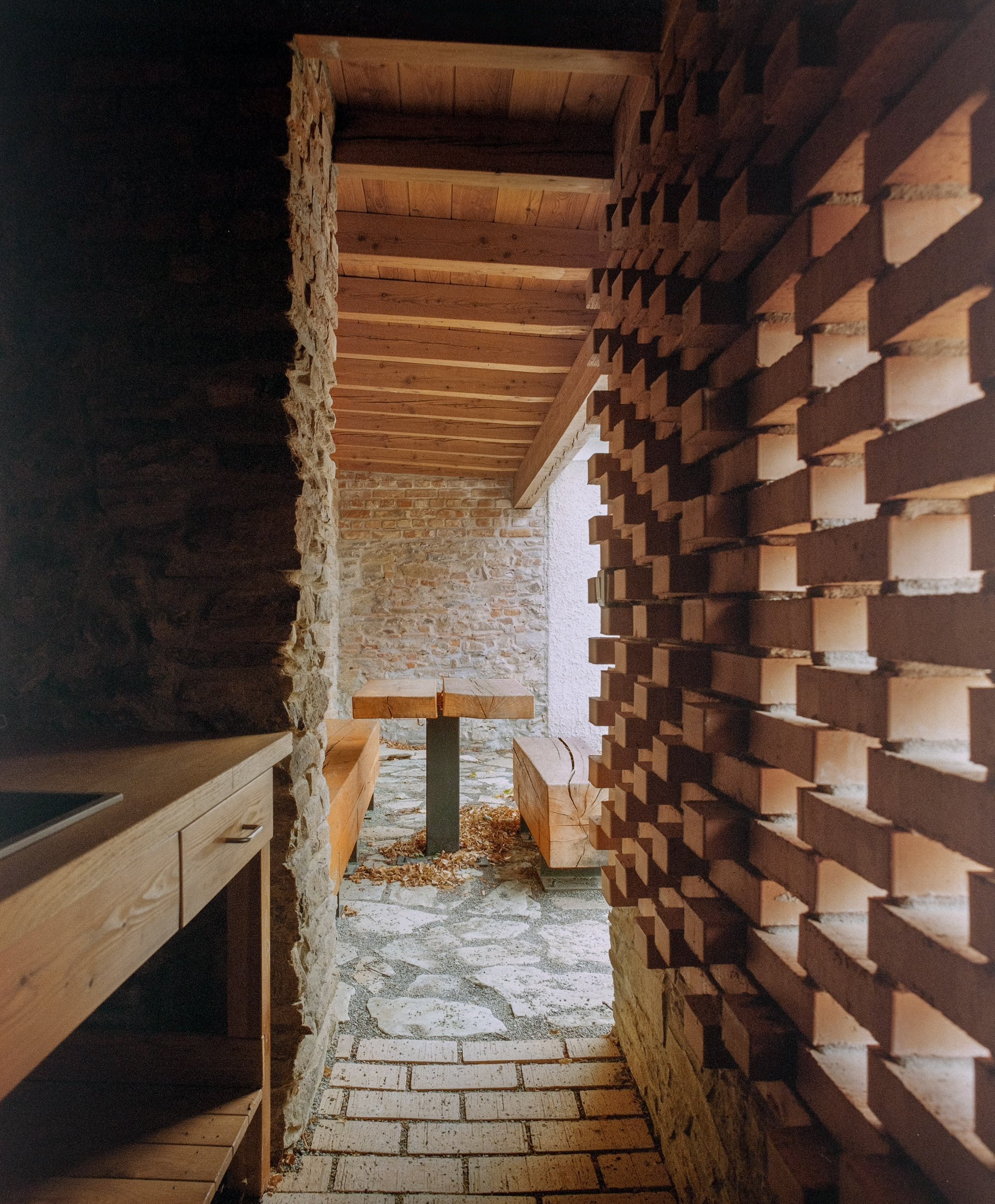
The church was destroyed by fire in 1947, after which it underwent complete reconstruction, but the wooden beam supporting the rear wall of the tower was not replaced, as can still be seen today. As a result, over the past seventy years, the tower has tilted slightly backwards, as evidenced by two wide cracks in the vault under the wooden support beam, which are clearly visible from the nave. One of the main tasks of the planned reconstruction was therefore to keep the tower in place, which we achieved by installing a metal support structure in the roof. Another important intervention was the integration of the kitchen and washroom block in the rear half of the fenced garden into the complex, which was also supplemented with a small covered-open entrance area.
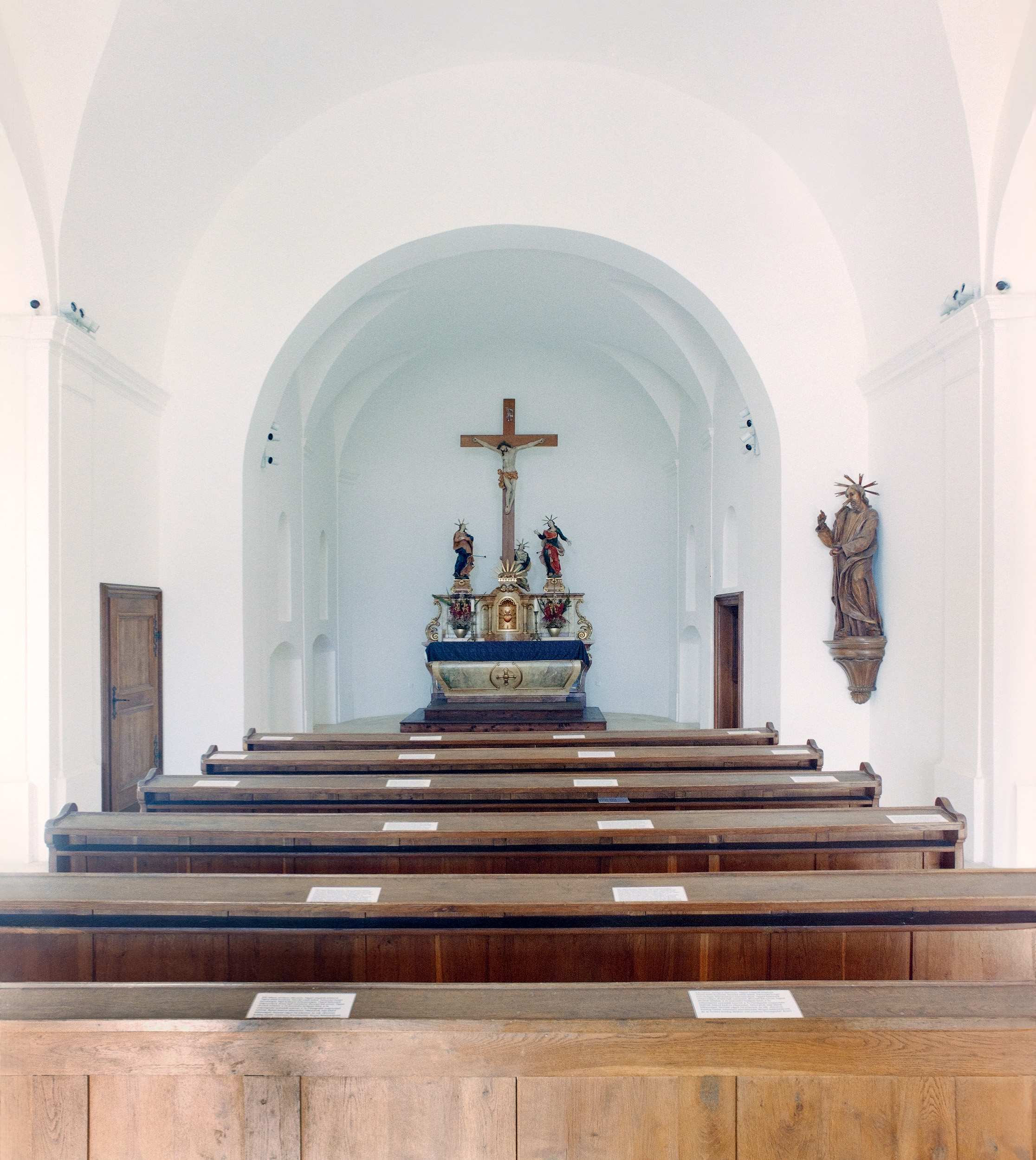
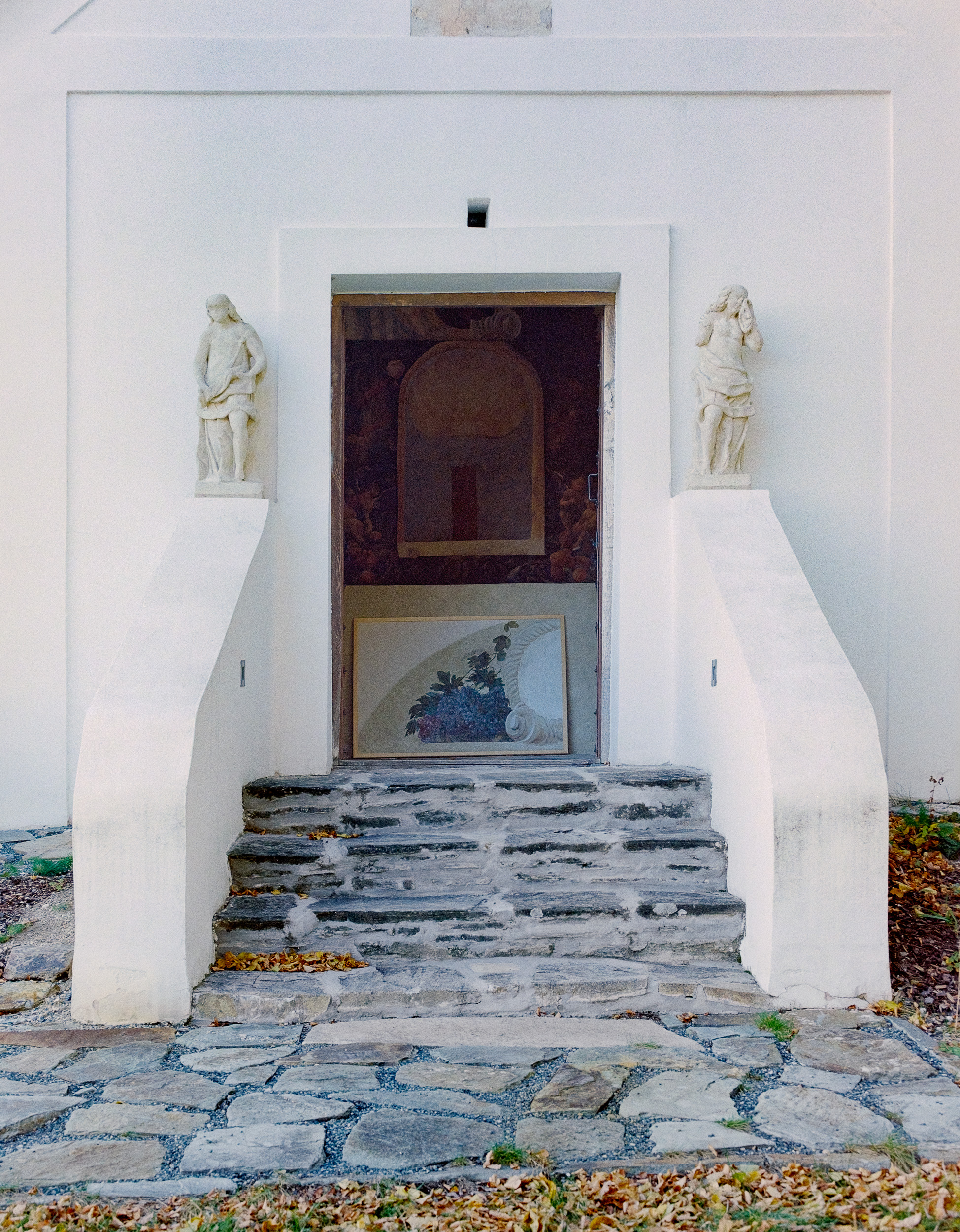
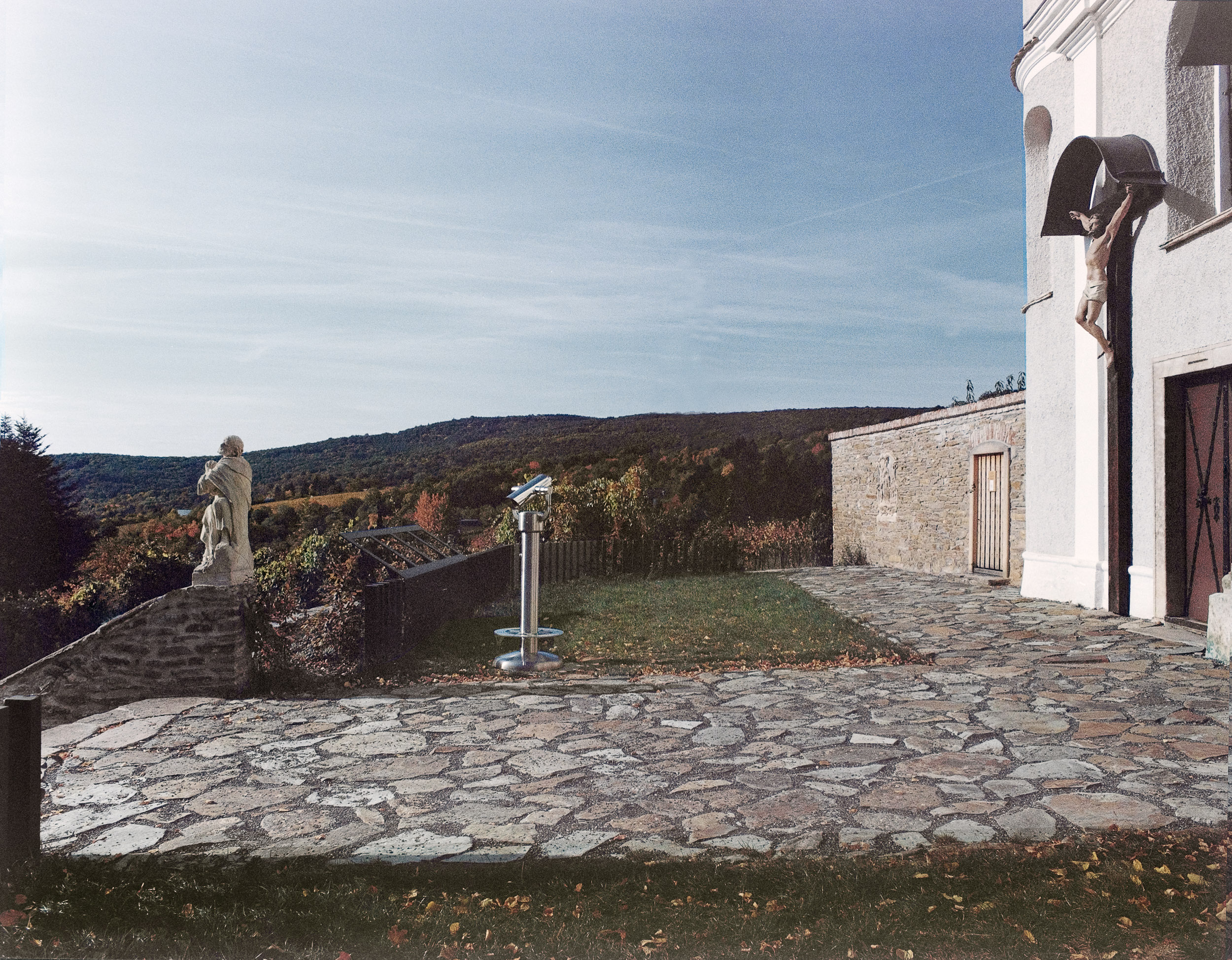
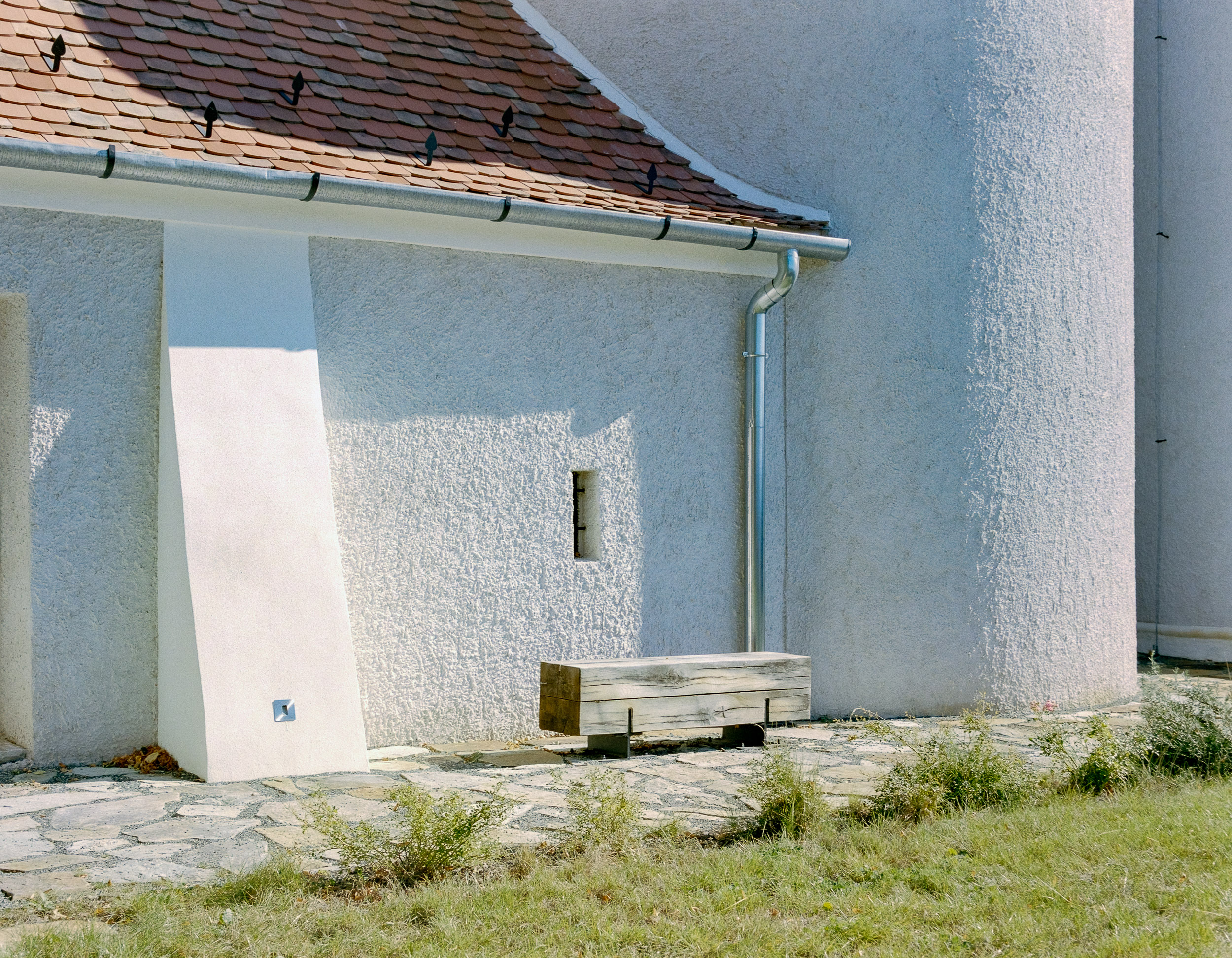
In addition to these main tasks, numerous technical and aesthetic renovation works were also carried out, such as plastering, wall insulation, roof reconstruction, renovation of doors and windows, tidying up the station chapels and St. Donatus Chapel, researching and renewing the previous layers of plaster in the interior spaces, reconstruction of the furnishings and sculptures, etc. As the church is located along the Blue Trail, the landscaping of the surroundings and the inner garden, as well as the creation of rest areas for hikers, were also part of the work, as was the complete renovation of the church's exterior and interior lighting.
site: Kőszeg, Hungary type: reconstruction status: built year: 2025 size: 200 m2 team: CZITA + RJZS Architects collab
images: Yanep Lust Collective